All The Signs It’s Time to Replace Your Brake Pads
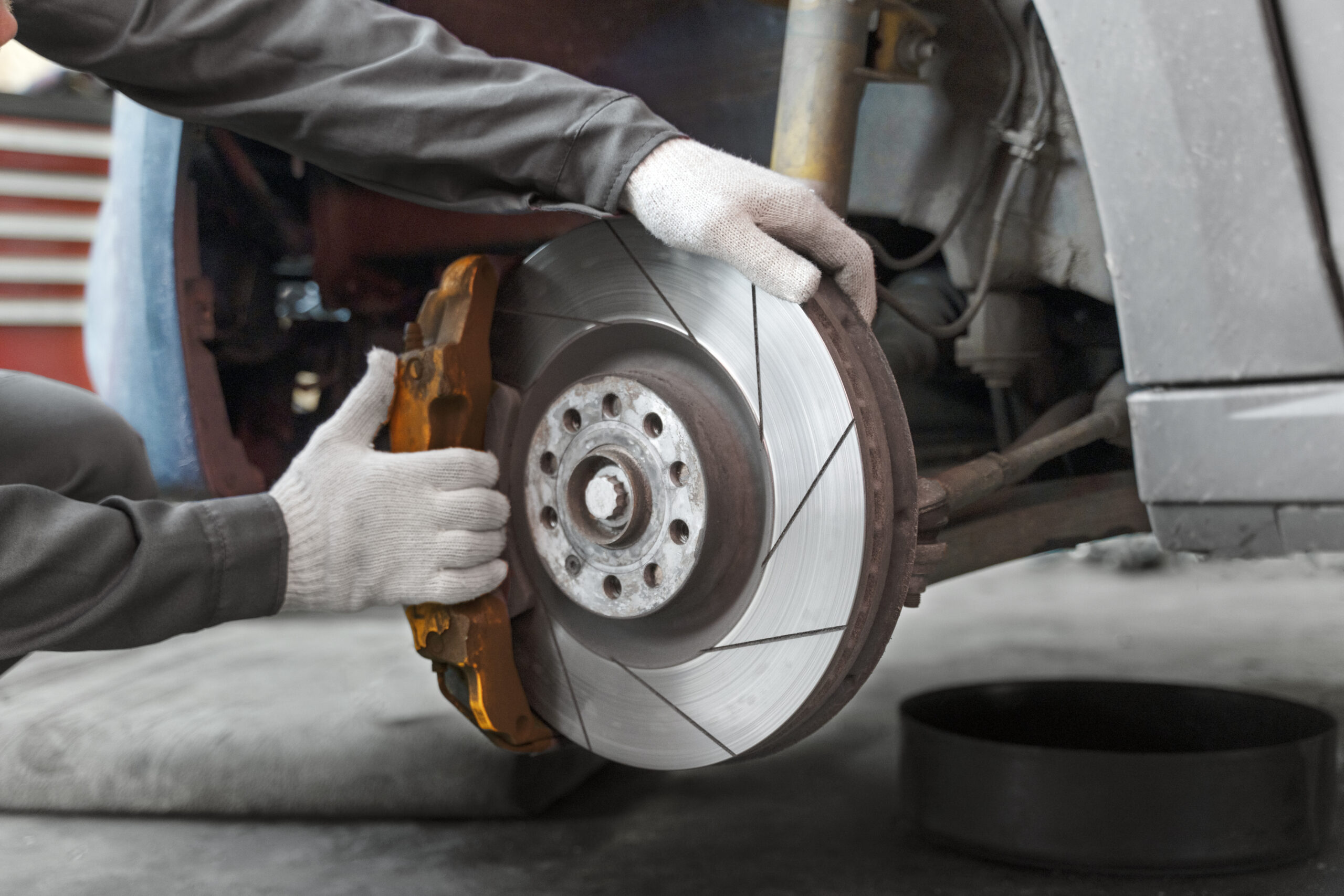
When it comes to brakes you shouldn’t wait until brake repairs are needed. If the owner continues to drive the vehicle while there are issues with the brakes, then the chance of having an accident can increase or unpleasant vibrations and loud screeching sounds can be experienced while driving.
Brake Testing And Inspections
If you feel your brakes are not performing correctly you shouldn’t wait any longer. Have your brakes inspected at Aurex Auto today.
Signs that you need your brakes inspected for repairs include: sticky brake pedal, noisy brakes, vibration when braking or a brake warning light.
Brake Service & Repair
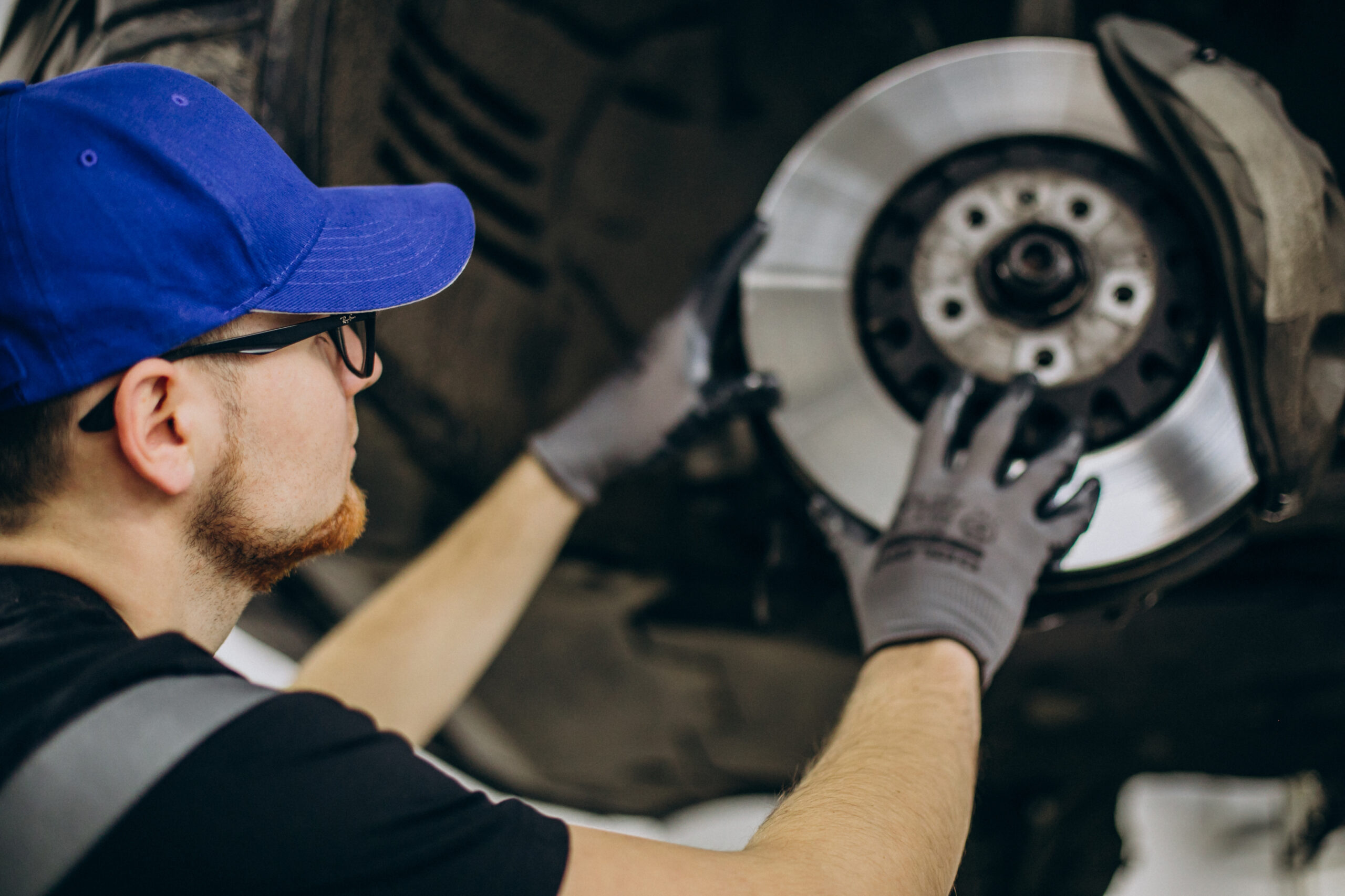
Have your brakes inspected at Aurex Auto- Complete brakes inspection
- Brake pad or brake shoe replacement
- Brake / hydraulic fluid (level and condition)
- Brake light diagnosis
Key Benefits of the Service
Taking your car in for regular service help you in ensuring everything is working properly and also to avoid such issues before they arise.
- Specialized services, customized to your needs
- 100% environmentally friendly chemicals
- Trustworthy, reliable and timely services
- We supply all car equipment and solutions
Increase Safety
Regular break inspection will keep you safe
Money Saving
Find issues before repair become expensive
Frequently Asked Questions
This is often the first sign that your brake pads are wearing thin. Most pads have a small metal "wear indicator" that creates this sound to alert you that it's time for a replacement. However, it could also be caused by dust or poor-quality material. At Aurex Auto, we perform a quick visual inspection to tell you exactly how much life is left in your pads.
Vibration during braking usually indicates warped brake rotors (discs). When rotors become uneven due to excessive heat or wear, the pads cannot grip them smoothly, causing the shaking sensation. This reduces braking effectiveness and should be fixed promptly to avoid damaging other suspension components.
No, a "spongy" or soft brake pedal is a serious safety risk. This often means there is air in the brake lines, a fluid leak, or a failing master cylinder. If you experience this, your stopping distance is significantly increased. We recommend having the car towed or driving very slowly directly to our service center for a pressure test.
We recommend changing brake fluid every 2 years or 40,000 km. Brake fluid is hygroscopic, meaning it absorbs moisture from the air over time. This moisture lowers the boiling point of the fluid and causes internal corrosion in the braking system. Regular fluid flushes ensure consistent braking power and protect expensive components like the ABS pump.
Not every pad change requires new rotors. If your rotors are smooth, have enough thickness, and aren't warped, they can be reused. However, if the rotors are too thin or heavily "scored" with grooves, installing new pads on them will lead to poor braking and fast wear. We always measure your discs and provide an honest recommendation.