
Signs You Need New Tires
Generally speaking, tires should be rotated every 10,000 to 13,000 kilometers. A technician can thoroughly inspect your tires as well as your wheels to determine if they have an acceptable amount of wear. The technician can also check the tread depth and ensure they are properly balanced.
Are Worn Out Tires Dangerous?
Your tires are an extremely important component of your car. Driving on tires that are too old or not suited to weather conditions can spell disaster for your safe journey.
Your tires were designed with a very specific task in mind. Using them improperly can have sudden and catastrophic consequences.
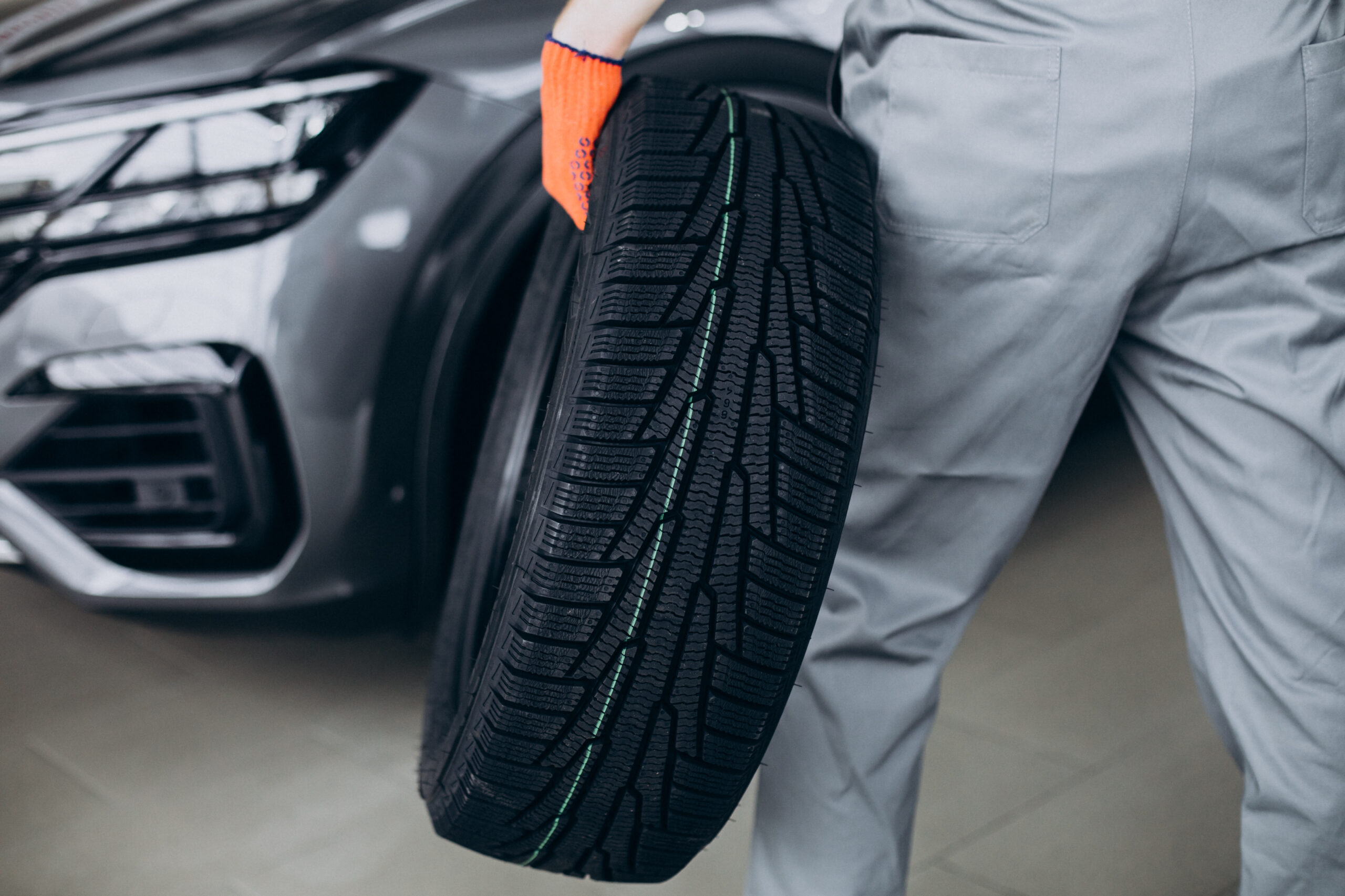
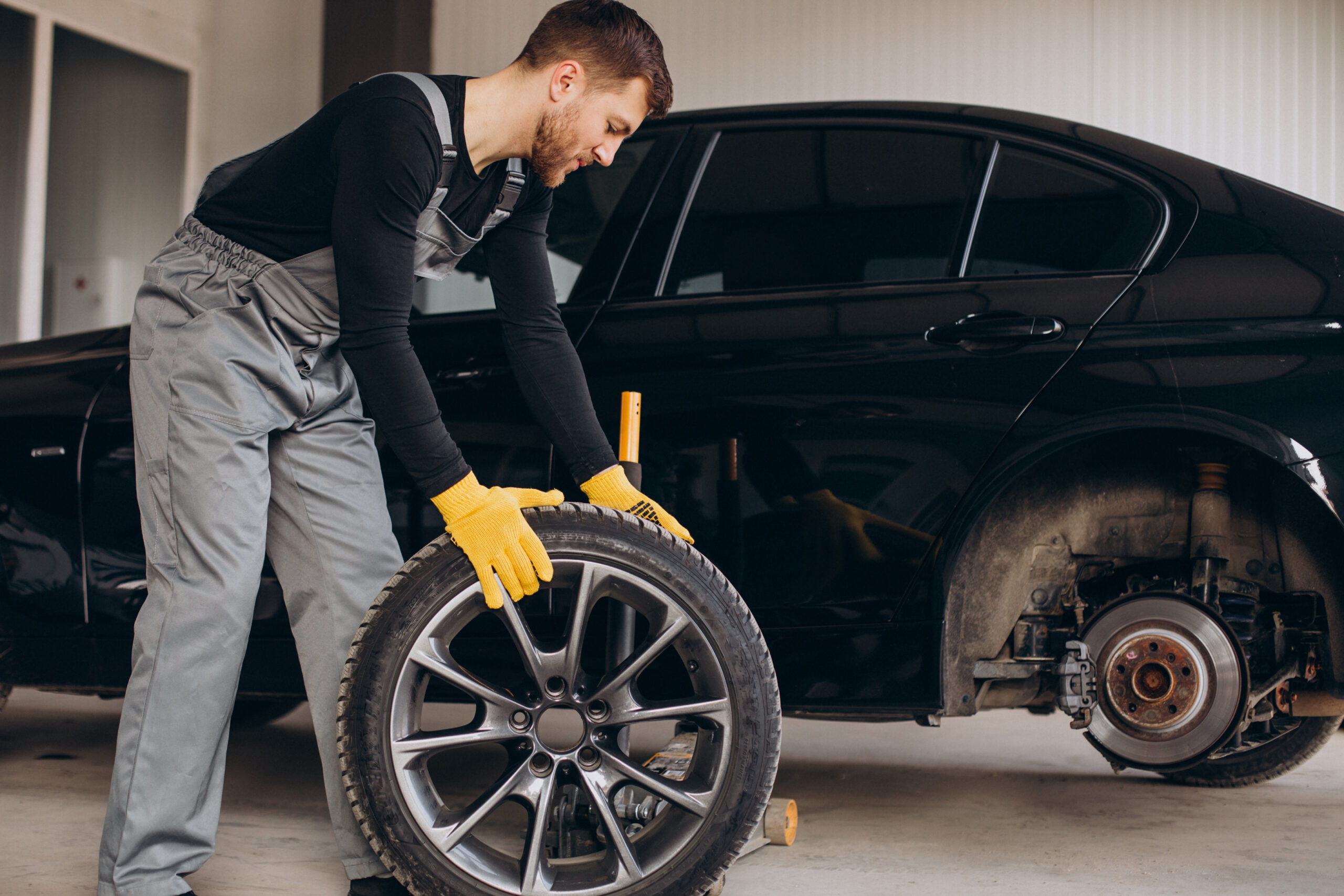
Tire Replacement
Should be rotated every 10,000 kilometers- All-season tires
- Performance tires
- Winter tires
- Off-road tires
Key Benefits of the Service
Taking your car in for regular service help you in ensuring everything is working properly and also to avoid such issues before they arise.
- Specialized services, customized to your needs
- 100% environmentally friendly chemicals
- Trustworthy, reliable and timely services
- We supply all car equipment and solutions
Time Saving
Find issues before repair become expensive
Increase Safety
Regular tire inspection will keep you safe
Frequently Asked Questions
The general rule is the "7°C rule." When the average daily temperature drops below 7°C, summer rubber hardens and loses grip, making winter tires necessary. Conversely, in spring, when temperatures stay above 7°C, you should switch back to summer tires to prevent excessive wear on soft winter rubber. In Budapest, this usually means switching in late October and late March.
Even a tiny weight imbalance (as little as 5–10 grams) can cause the steering wheel to vibrate and put uneven pressure on your suspension and bearings. Regular balancing ensures a smooth ride, prevents premature tire wear, and protects your car's steering components from unnecessary vibration and stress.
Yes, our technicians are trained to handle both indirect and direct TPMS sensors. We take extra care not to damage the sensors during the tire mounting process. After the service, we also perform the necessary system reset or recalibration so that your dashboard shows accurate pressure readings.
We check two main factors: tread depth and rubber age. While the legal minimum is 1.6 mm, we recommend at least 3 mm for summer and 4 mm for winter tires for optimal safety on wet or icy roads. We also look for "dry rot" (cracks in the sidewall) and check the DOT code to ensure the rubber hasn't become too hard and brittle over time.
Nitrogen molecules are larger than oxygen molecules, meaning they leak through the tire rubber much slower. This helps maintain stable tire pressure for longer periods, reducing fuel consumption and tire wear. Nitrogen also contains less moisture, which prevents internal rim corrosion and keeps pressure more consistent during high-speed highway driving.